

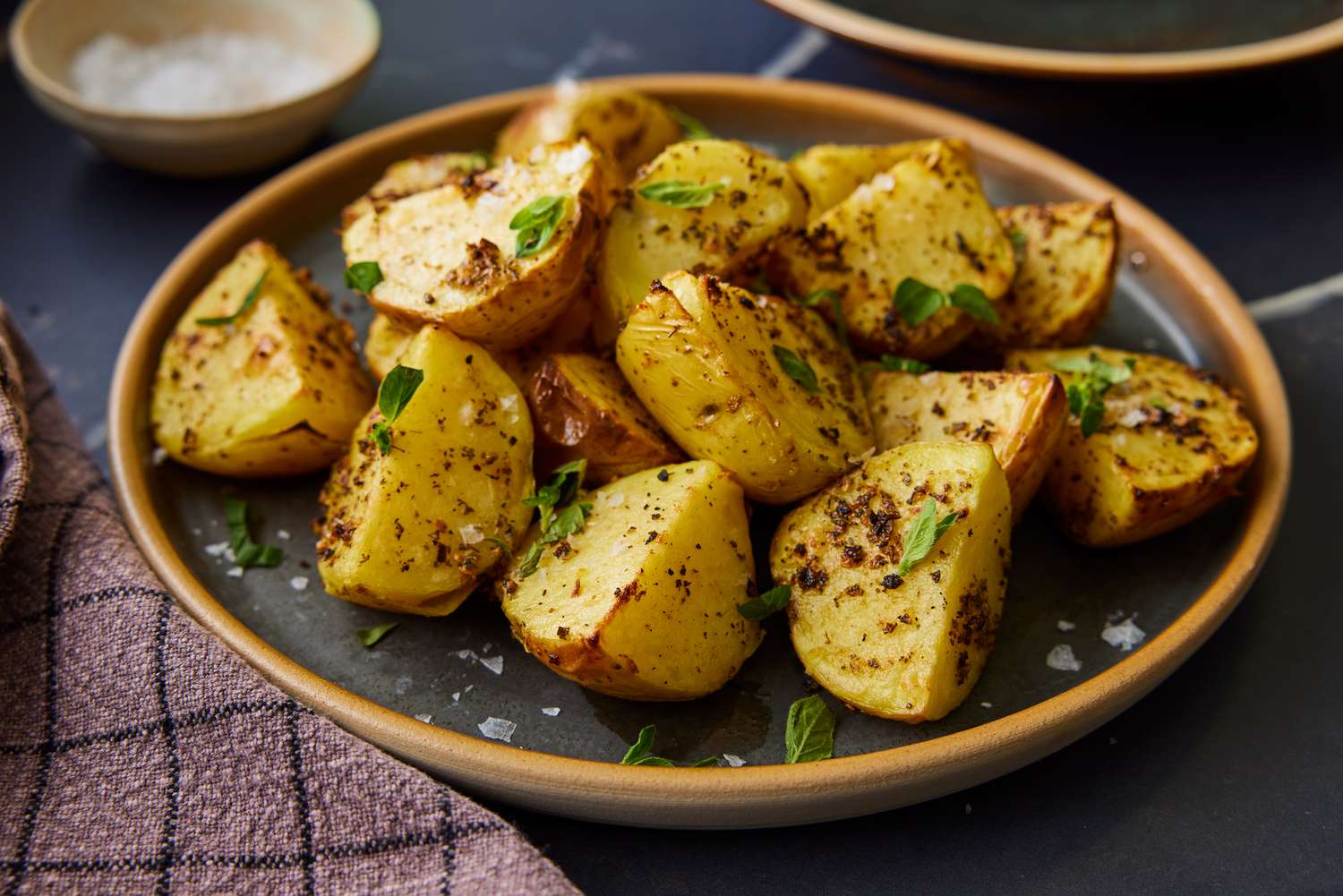
Potato dishes have been part of family meals for generations because they are comforting, versatile, and can fit almost any menu. Yet not every homemade potato recipe leaves a lasting impression. Some meals are quickly forgotten, while others become family favorites that people request again and again. The difference is rarely a secret ingredient. Instead, memorable potato dishes are created through thoughtful preparation, balanced flavors, and attention to the overall dining experience.
Creating potatoes that stand out is less about complexity and more about understanding what makes simple food genuinely enjoyable.
Fresh Ingredients Set The Stage
The quality of the potatoes themselves has a direct impact on the final dish. Fresh, firm potatoes offer a cleaner taste and a more satisfying texture than those that have been stored for too long.
Using fresh herbs, quality butter, seasonal vegetables, or flavorful cheeses also helps create dishes that feel vibrant rather than ordinary. Even simple ingredients make a noticeable difference when they are fresh and well matched.
Every Meal Needs A Purpose
Memorable potato dishes are often designed with the entire meal in mind. Creamy mashed potatoes may pair beautifully with roasted meats, while crispy roasted potatoes complement grilled vegetables or seafood.
Instead of preparing potatoes as an afterthought, consider how they contribute to the balance of the plate. When every component supports the others, the meal feels complete and satisfying.
Texture Creates Lasting Impressions
Flavor is important, but texture often determines whether people remember a dish. A potato recipe that combines creamy, crispy, soft, or lightly crisp elements naturally becomes more enjoyable.
Adding toasted breadcrumbs, roasted vegetables, chopped nuts, or fresh herbs introduces contrast without making the recipe complicated. These small additions keep every bite interesting from beginning to end.
Layer Flavors Instead Of Overloading Them
Many home cooks believe stronger flavor comes from adding more ingredients. In reality, memorable dishes often rely on carefully layered flavors rather than crowded seasoning.
Building flavor gradually with onions, garlic, herbs, butter, or light spices allows each ingredient to contribute without overpowering the potatoes themselves. This balanced approach creates meals that taste complete rather than overwhelming.
Make Cooking Part Of The Experience
Homemade meals often become memorable because of the experience surrounding them. Preparing potatoes with family members, sharing recipes across generations, or serving favorite dishes during celebrations creates emotional connections that enhance the meal itself.
Learning how to cook potatoes can become more meaningful when it brings people together instead of simply completing another recipe.
Presentation Adds Value
People often eat with their eyes before taking the first bite. Attractive presentation encourages anticipation and makes even familiar dishes feel special.
Serving potatoes in a warm dish, adding fresh herbs for color, or arranging the meal neatly requires little extra effort but creates a much stronger impression at the Table.
Small Customizations Make A Big Difference
One reason homemade potato dishes stand out is their flexibility. Every household develops its own traditions by adjusting recipes to suit family preferences.
Some cooks prefer roasted garlic, others enjoy fresh dill, smoked paprika, caramelized onions, or a blend of cheeses. These personal touches gradually become part of a family’s identity and transform ordinary recipes into signature dishes.
Pair Potatoes With Seasonal Ingredients
Seasonal cooking naturally improves flavor because ingredients are often fresher and more vibrant.
Spring herbs, summer vegetables, autumn mushrooms, or winter root vegetables each create different combinations that keep potato dishes interesting throughout the y;’??ear. Rotating ingredients with the seasons prevents meals from becoming repetitive while encouraging creativity.
Cook With Confidence
Confident cooking allows small adjustments throughout preparation instead of depending entirely on written instructions. Tasting, observing texture, and making thoughtful decisions during cooking often lead to better results than following every measurement exactly.
Experience helps cooks understand when potatoes need another minute, a little more seasoning, or a lighter finishing touch.
Conclusion
Homemade potato dishes become memorable through care, creativity, and attention to detail rather than expensive ingredients or elaborate recipes. Fresh produce, balanced textures, thoughtful presentation, seasonal combinations, and personal touches all contribute to meals that leave lasting impressions. By focusing on the complete dining experience instead of simply preparing another side dish, anyone can create potato recipes that family and friends remember long after the meal has ended. Great potato dishes are built not only on good cooking but also on the care that goes into every step of their preparation.
