

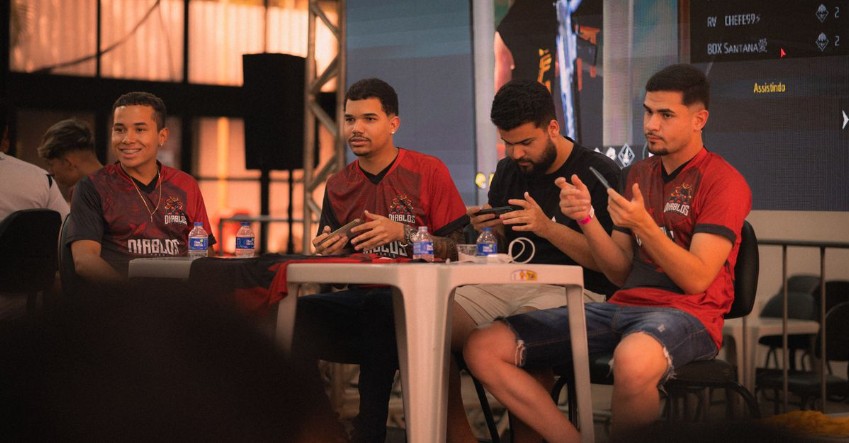
Have you noticed how online gaming has shifted from a solitary hobby into a thriving ecosystem where players become content creators, loyal fans, and tight-knit communities? What started as people simply playing games for entertainment has evolved into something far more dynamic. Today, players are streaming their gameplay, creating fan art, writing stories, hosting tournaments, and building friendships that last years. The lines between player, creator, and audience member have become beautifully blurred.
This transformation didn’t happen overnight. As gaming technology improved and internet connectivity became faster and more reliable, the infrastructure for community building matured alongside it. Platforms emerged that made it easy for anyone to share their gaming moments with others. Suddenly, a casual player could become a content creator with a few clicks, and fans could interact directly with their favorite players in real time.
The result is a cultural shift that’s reshaping how people relate to games and each other. Instead of games being passive entertainment, they’ve become social spaces where creativity flourishes and genuine connections form. Let’s explore how this transformation is unfolding and what it means for the future of gaming culture.
The Rise Of Player-Generated Content
Players today are creating content at an unprecedented scale, turning their gaming sessions into entertainment products that reach thousands or millions of viewers.
Streaming And Broadcasting
One of the biggest shifts has been the rise of live streaming. Players can now broadcast their gameplay in real time, allowing others to watch, chat, and interact as events unfold. This has created a new category of entertainment that sits somewhere between traditional media and social interaction. A player streaming a challenging boss fight becomes a performer, and their audience becomes both spectators and participants. The comments section turns into a live conversation where viewers offer tips, celebrate victories, and commiserate over defeats.
What makes this particularly interesting is that streaming isn’t limited to professional players or those with expensive equipment. Anyone with a decent internet connection can start broadcasting. This democratization of content creation has led to an explosion of diverse voices and perspectives within gaming communities. Someone playing on a budget setup can gain just as many followers as someone with premium gear, provided they offer entertainment value or genuine skill.
Video Content And Editing
Beyond live streaming, players are creating edited video content that showcases highlights, tutorials, and creative moments. These videos are often carefully crafted with music, effects, and storytelling that transform raw gameplay into polished entertainment. The production quality has become increasingly sophisticated, with players learning video editing, sound design, and narrative techniques. Many of these creators spend hours editing a single video to share moments that took minutes to capture during gameplay.
This type of content serves multiple purposes. Some videos teach other players how to improve their skills or discover secrets within games. Others celebrate memorable moments or showcase creative approaches to challenges. Some creators focus on comedy, finding humor in game mechanics or unexpected situations. The diversity of content means there’s something for nearly every type of gamer to enjoy.
Communities Built Around Shared Passion
Online gaming has become the foundation for communities that extend far beyond the games themselves.
Social Bonds And Friendship
Players are forming genuine friendships through gaming, often with people they’ve never met in person. These relationships develop through shared experiences, collaborative gameplay, and regular interaction. A group of players might meet in a multiplayer game, discover they enjoy each other’s company, and continue playing together for years. They celebrate each other’s achievements, support each other through difficult times, and develop the kind of camaraderie that comes from working toward common goals.
What’s remarkable is how these digital friendships can feel just as meaningful as traditional ones. The shared experiences create bonds that are real and lasting. Players talk about their lives outside of gaming, offer advice, and genuinely care about each other’s wellbeing. For some people, especially those who struggle with social anxiety or geographical isolation, these communities provide crucial social connection.
Collaborative Projects And Events
Communities organize elaborate collaborative projects that showcase their collective creativity. Fan art competitions, cosplay events, creative writing contests, and community tournaments bring people together around shared interests. These events require coordination, planning, and genuine effort from volunteers who dedicate time to making them happen. A gol88 link to gaming resources shows how communities often pool information and tools to support their members.
Some communities have created their own wikis, guides, and databases that rival official resources in comprehensiveness. Others organize charity fundraisers, using their collective passion for gaming to support causes they care about. These initiatives demonstrate that gaming communities can be forces for good, capable of organizing around values beyond entertainment.
Fans Becoming Active Participants
The relationship between players and game creators has transformed into something more collaborative and reciprocal.
Feedback And Influence
Game developers increasingly listen to their communities and incorporate feedback into ongoing development. Players suggest features, report bugs, and share what they enjoy or dislike about games. This feedback loop has become crucial to how games evolve after release. A feature that seems small to developers might be exactly what a community has been requesting for months. Conversely, a change that developers think will improve the game might face pushback from the community, leading to adjustments.
This level of engagement means fans aren’t just consuming games passively. They’re actively shaping the direction of development and helping to refine the final product. Their voices matter, and developers who ignore community feedback often face consequences. This dynamic has raised the bar for how games are supported and maintained over time.
Fan-Created Expansions And Modifications
Many games allow or encourage players to create modifications and custom content. These fan-created additions extend the lifespan of games and introduce new possibilities that original developers might never have considered. A modification might change gameplay mechanics, add new characters, create entirely new campaigns, or introduce quality-of-life improvements. Some of these fan creations become so popular that they influence how future games in a series are designed.
The relationship between official developers and fan creators has become increasingly symbiotic. Some developers hire talented modders to work on official projects. Others provide tools and support to encourage the community to create. This collaboration has led to some of the most innovative and creative gaming content available.
The Economic Impact Of Creator Culture
The transformation of players into creators has created genuine economic opportunities that didn’t exist before.
Content creators can now earn income through multiple streams: advertising revenue from videos and streams, sponsorships from gaming companies and peripheral manufacturers, donations from fans, and merchandise sales. Some successful creators earn substantial income that rivals or exceeds traditional careers. This has made content creation a viable profession for talented individuals who might have otherwise pursued different paths.
The existence of these economic opportunities has also raised the quality bar. As creation becomes a profession rather than just a hobby, creators invest more time, effort, and money into producing better content. This benefits the entire community, as the average quality of available gaming content continues to improve.
Looking Forward
The transformation of online gaming from a solitary activity into a creator-driven, community-focused ecosystem continues to accelerate. As technology improves and platforms evolve, the ways players can create, share, and connect will only expand. The future likely holds even more immersive forms of community interaction, more sophisticated tools for content creation, and deeper integration between players, creators, and developers. What remains constant is that gaming is no longer just about playing games. It’s about belonging to something larger than yourself.
